
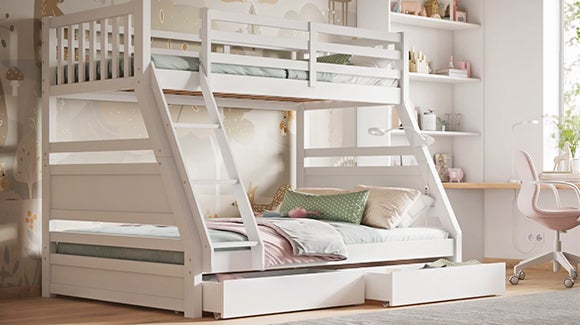
Bunk Bed Safety Guide
Bunk beds and loft beds are a popular choice for their space saving, elevated and compact sleeping setups and are commonly used in children's rooms, holiday homes or shared spaces. Although they are fantastic for such arrangements, they do come with some risks and it is important to highlight these to ensure that you can avoid accidents. Our guide will highlight key elements such as correct installation, maintenance, proper usage and safety tips that will create a secure and comfortable environment for children and significantly reduce hazards.
Check Bunk Bed Safety Standards
It’s very important to understand safe bunk bed regulations and confirm that your new bunk will meet Australian standards prior to making your purchase. In doing so, you'll fortify key features that reduce falls, entrapment and structural failures.
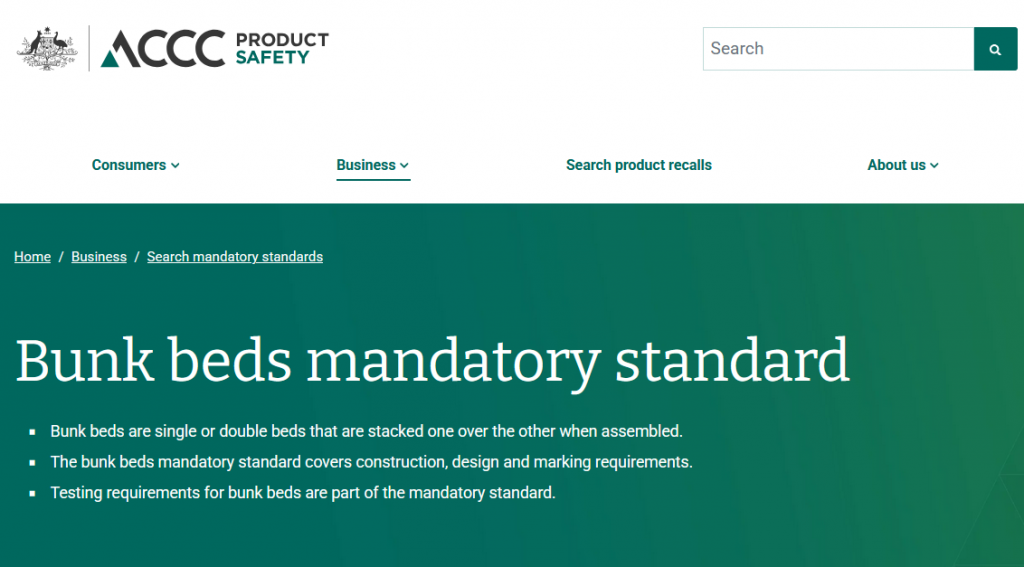
Crucial requirements such as allowable gaps, guardrail height and safe construction are all outlined in Australia's mandatory bunk bed standard. You can review the full standard here.
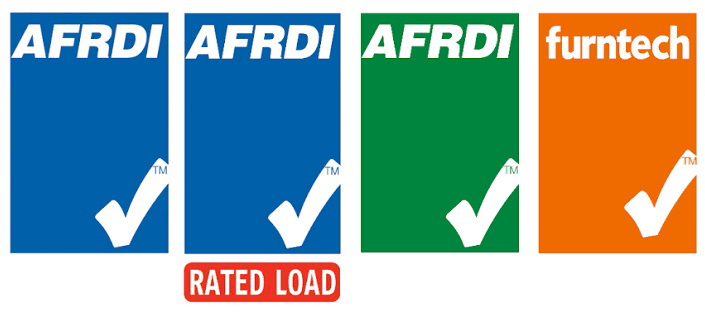
At LivingStyles, we have taken it upon ourselves to ensure we meet these standards in all of our bunks to give families added peace of mind that they’re choosing some of the safest bunk beds for kids available in Australia. Many of the designs we carry are also Furntech, AFRDI tested and certified, carrying either the Orange Tick or the AFRDI Blue Tick, both of which highlight exceptional structural safety, independent verification and durability.
Install & Maintain Safety Rails
One of the most important protective features is a top bunk bed safety rail. A rail’s purpose is to prevent a child on the top bunk from accidentally rolling out of bed whilst asleep and is a vital characteristic of a bunk that is not optional.
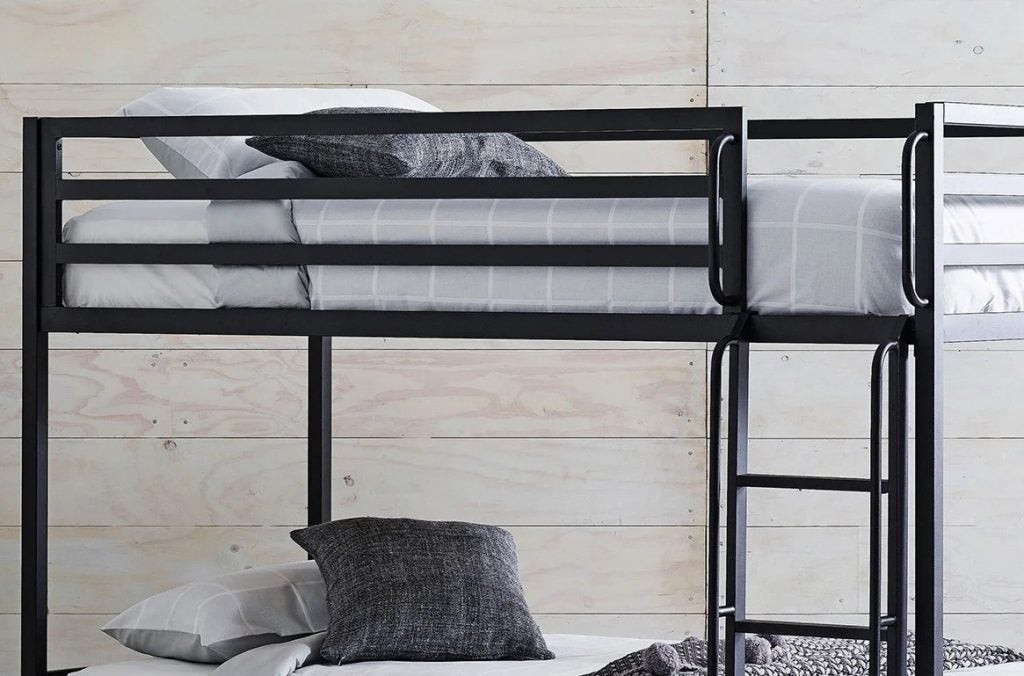
Always identify the below when making your selection:
Regular checks: Over time and use, screws and fittings may loosen, try to make it a monthly routine to inspect your rails.
Minimum height: The minimum required height for safety rails (also known as guardrails) on a bunk bed in Australia is 260mm above the mattress base, as specified in the mandatory standard. A guardrail height of around 360mm is often recommended to safely accommodate mattress thickness and provide added protection, so opting for a higher rail is preferable where possible. Australian standards also require permanent guardrails on all four sides of the upper bunk for safety and compliance.
Secure fastening: Make sure the rails are firmly connected on all sides and cannot be removed without tools. Note that for both bunk bed and loft bed safety, it's crucial to always pair your rail with the correct mattress height to maintain the required minimum clearance.
Mattress & Bedding Safety
More than just a comfort decision, selecting the right mattress thickness is vital for bunk safety. Having a mattress that is too thick will reduce the effectiveness of the safety rail and increase the chances of falling off the sides.
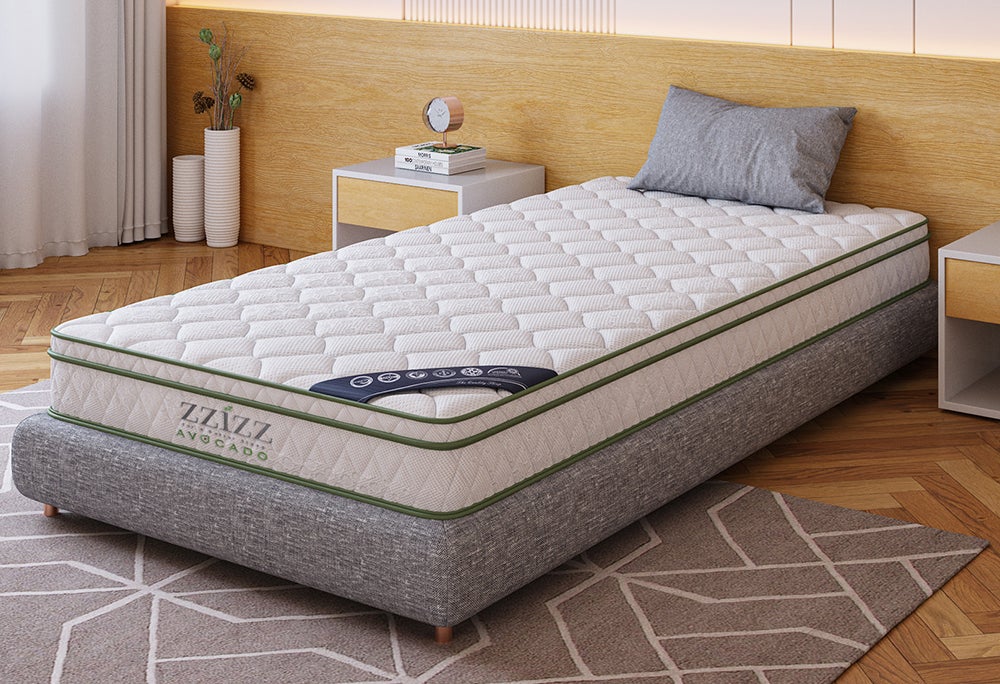
Safe mattress setup tips:
- Confirm the manufacturer’s recommended mattress height for the top bunk bed.
- Steer clear of thicker, bulky quilts and pillows that will raise the feel of the mattress. Ensure that there are no gaps between the bunk frame and mattress where a child may hurt themselves or get trapped.
Preventing Falls & Injuries
One of the most common injuries associated with bunk beds is falling but a good setup choice will significantly reduce risk.
Positioning:
- Keep the bunk bed away from windows, and avoid blinds or cords.
- Refrain from positioning the bunk bed near a ceiling fan or low hanging pendant.
- Steer clear of surrounding sharp furniture pieces.
- Ensure the bunk has a sturdy ladder to climb. If the child who intends to use the bunk is quite young, a slanted ladder with handrails is best for comfortable climbing.
Age & Weight Guidelines
As a guide, the top bunk would really only ever be used to sleep on from the age of 6 or above. Any age below this lacks the safety awareness to do so safely. The materials and construction used determine the weight that the bunk bed will hold. The majority of reputable, quality bunk will hold up to 80-120kg per sleeping surface but it is always recommended to check the manufacturers specs. This not only applies to the bed, but also the ladder and overall general use of the bunk.
Bunk beds will always be safe for your child provided the age and weight bearing guidelines are abided by consistently.
Regular Maintenance & Checks
Occasional maintenance is required for even the safest of bunk beds. It is suggested that every few months you aim to check the following on your bunk:
- Ensure your safety rails remain firmly attached and above the mattress line.
- Confirm your mattress slats are secure and not sagging.
- Search for any splintering, cracks or damage to timber or metal frames.
- Look for any wobbling or movement within the unit.
- Check for any bolts, screws or even if the ladder may need any adjustments or tightening.
In doing so, this will ensure it meets the intended usage standards and helps keep your bunk or loft bed safe long term.
Your Bunk Bed Safety Wrap Up Conclusion
In conclusion, bunk beds are both a fun space saving and a secure sleeping solution. With routine maintenance, the right setup and well thought out positioning, kids will enjoy their bunk beds safely for many years to come. Always confirm mattress compatibility, safety rail height, age guidelines, and rely on certified, regulation compliant products wherever possible.
For further tools on setting up a child's bedroom, be sure to peruse our blog on “bedroom ideas for the little ones”.
FAQs
Q: Are bunk beds safe?
A: When bunks meet Australian safety standards and are used correctly, they most certainly can be. If missing top bunk bed safety rails, have an incorrect mattress height, or children under six are using the top bunk, this is when they possess the most risk. Ongoing maintenance and professional installation is key and this will reduce the risk of hazards. To confirm your new purchase is meeting the standard, you can always check this against bunk bed regulations Australia.
Q: How tall are standard bunk beds?
A: Bunk beds range from 150~180cm high for standard bunks. Loft beds can reach up to 200 cm or more. We suggest that you always measure your ceiling height before purchasing to make sure that there’s enough overhead clearance to be comfortable and safe.
Q: What is the minimum age for bunk beds?
A: It is recommended that the top bunk only be used by children aged 6 and above. To reduce the risk of falls or misuse of that ladder, children under 6 are best to sleep on the bottom bunk.
Q: How much can a bunk bed hold?
A: It does depend on the materials and design of the bunk but typically weight limits vary between 80~120kg per bunk. We recommend that you always check the manufacturer’s specifications to confirm the exact limits they have set in place for their item.
